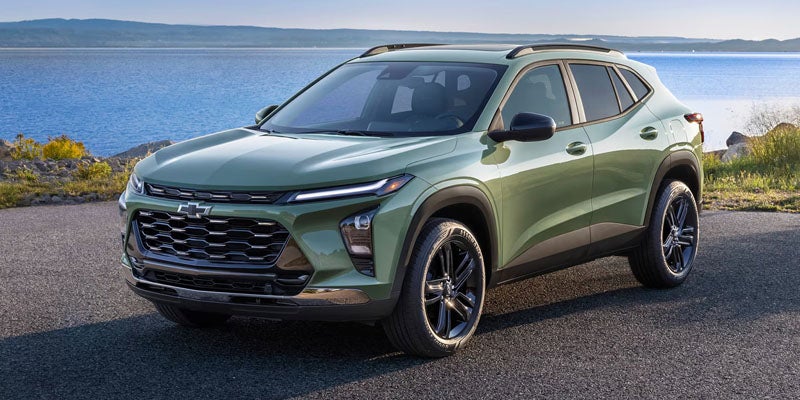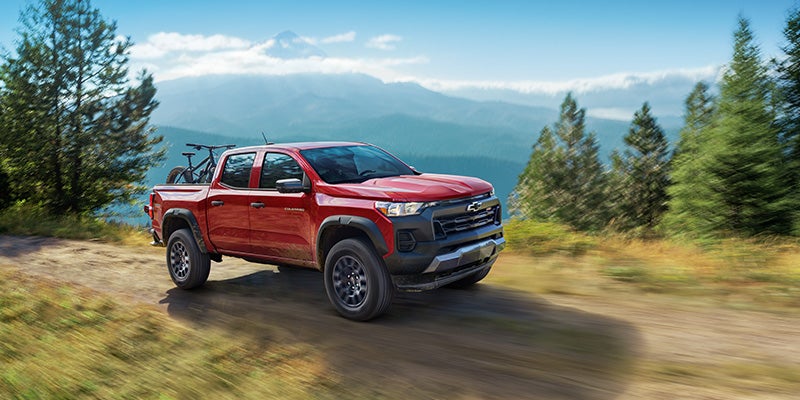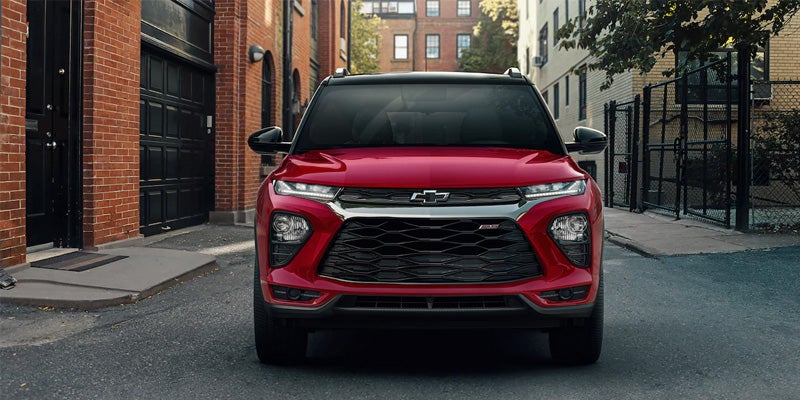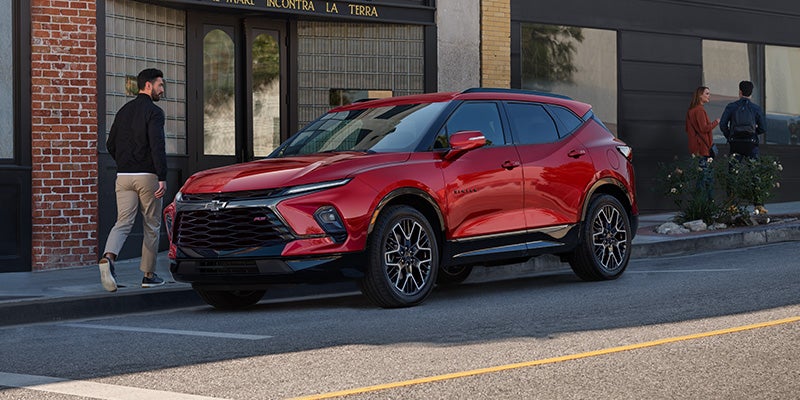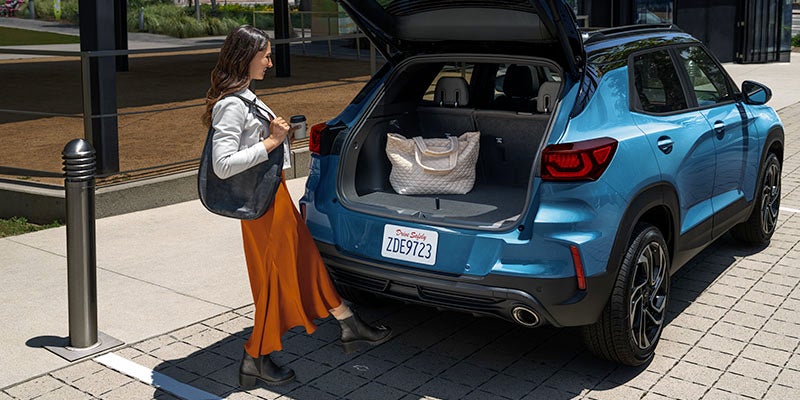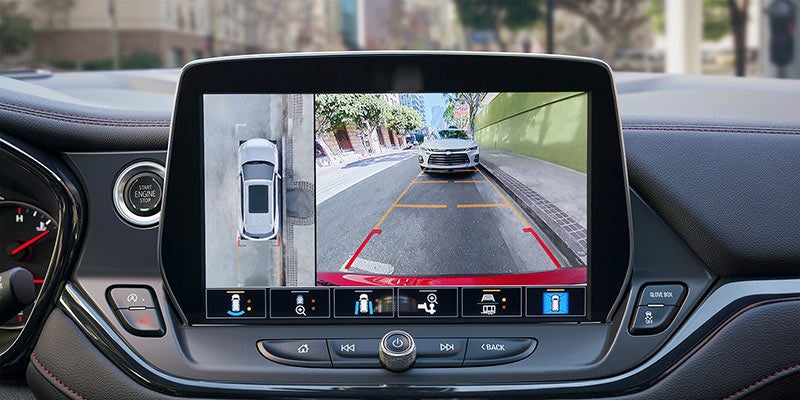





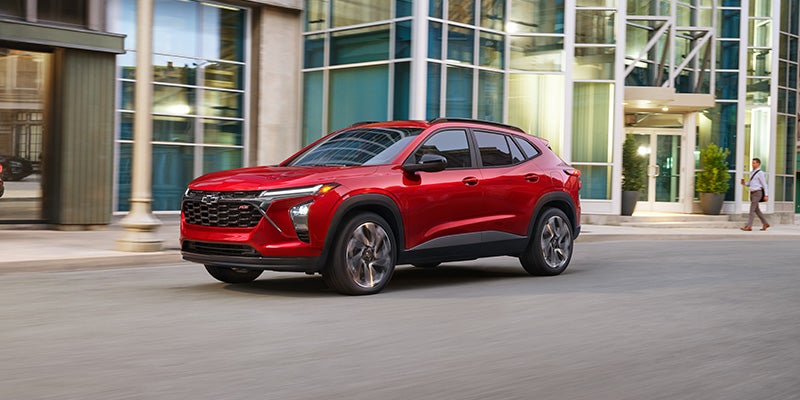
If you're shopping for a small SUV that won’t drain your bank account, check out the 2026 Chevrolet Trax and 2026 Chevrolet Trailblazer. Both the Chevy Trax and Trailblazer are crushing it for budget-friendly SUVs is no accident - it's the result of Chevrolet loading these models with features that used to cost a whole lot more. For drivers in Gatesville, TX, these two compact SUVs offer real value without real compromise. Technology That Keeps Up With You Both the Trax and Trailblazer come equipped with standard wireless Apple CarPlay ® and wireless Android Auto ™ compatibility, so you stay connected without cables. The Trailblazer includes a standard 11-in HD color touchscreen on every trim. The Trax offers that same screen size as available equipment on the LT trim and above. Both vehicles also offer available wireless charging and a built-in Wi-Fi hotspot, which is the kind of tech you'd typically expect at a higher price point. If you want a compact SUV with modern connectivity, these two make it easy to get exactly that. Trim Options for Every Personality The Trax comes in five trims - LS, 1RS, LT, 2RS, and ACTIV - giving buyers plenty of ways to personalize their SUV. The RS trims bring sporty red interior accents and black bowtie emblems, while the ACTIV stands out with Titanium chrome exterior accents and bold interior touches. The Trailblazer offers four trims: LS, LT, ACTIV, and RS. The ACTIV features off-road suspension tuning and a functional skid plate, while the RS adds a heated flat-bottom steering wheel and a 19-in wheel package. Both lineups also include a Midnight Edition package for those who want a blacked-out look without stepping into a higher price bracket. Capability and Comfort on a Budget The Trax is powered by an ECOTEC ® 1.2 L Turbo 3-cylinder engine with 137 h p and 162 lb.ft. of torque. It delivers an EPA-estimated 30 MPG combined. With up to 54 cu.ft. of max cargo space and a 60/40 split-folding rear seat, it handles everything from grocery runs to weekend getaways. The Trailblazer offers the same standard 1.2 L engine, with an available 1.3 L Turbo engine producing 155 h p and 174 lb.ft. of torque. Add available AWD and three available drive modes, and the Trailblazer handles more situations with confidence. The standard fold-flat front passenger seat also allows for up to 8.5 feet of max cargo length - handy for loading longer items. There's a strong case for why the Chevy Trax and 2026 Trailblazer are crushing it for budget-friendly SUVs in 2026. From their accessible starting prices and standard safety tech to their well-thought-out trim levels and capable powertrains, both vehicles deliver more than their price tags suggest. No matter if you prioritize fuel efficiency, style, or everyday versatility, one of these two models likely fits what you're looking for. Drivers throughout Gatesville, TX can explore inventory, compare trims, and find the right fit at Spur Chevrolet, drop by and meet our expert team or visit us online.
Best Used Chevys Under $25,000 for Young Drivers and College Students
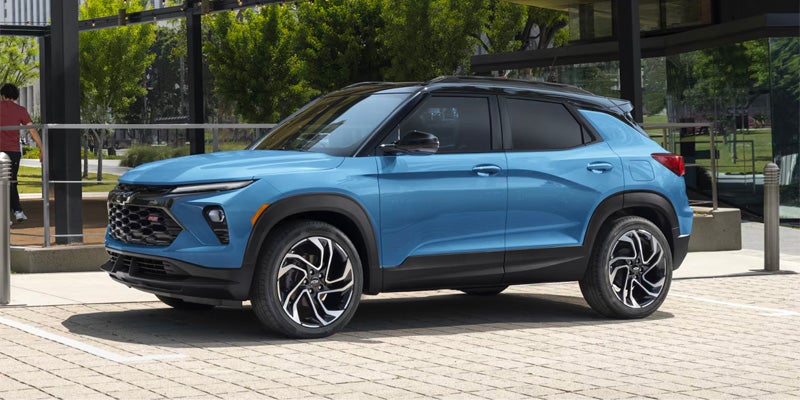
Shopping for your first car - or helping a college student find one - can feel overwhelming. The good news is that Chevrolet has a strong lineup of reliable, well-built vehicles, and the used market is full of options that won't break the bank. If you're looking for the best used Chevys under $25,000 for young drivers and college students, you’ll find a lot of options. No matter if you need something practical for driving to class or a capable car for work and weekend trips, there's a pre-owned Chevy that fits the lifestyle. Drivers in and around Gatesville, TX, will find plenty of great choices worth considering. Why Chevrolet Makes Sense for First-Time Buyers Chevrolet has built a reputation for dependability, and that carries over into the used vehicle market. When you buy a pre-owned Chevy, you're getting a vehicle backed by a brand known for long-lasting performance and broad service availability. That means finding qualified technicians and affordable parts is rarely a challenge. For young buyers especially, that reliability is important. Chevys tend to hold up well over time, making them a smart long-term investment on a budget. The Chevy Trax - Compact, Efficient, and Easy to Drive The Chevrolet Trax is a natural fit for college students and first-time drivers. It's compact enough to navigate busy parking lots and streets yet offers a comfortable interior with modern technology features. A used Trax is easy to find within the under-$25,000 range, and its small footprint makes everyday driving less stressful. Inside, you'll typically find a touchscreen infotainment system, available Wi-Fi hotspot connectivity, and plenty of cargo space for the size. It's a practical, no-fuss choice for someone who wants something dependable without unnecessary complexity. The Chevy Trailblazer - Style Meets Practicality The Trailblazer offers a bit more personality and interior room than the Trax, making it another top option in this category. It's a subcompact SUV that feels modern and capable, with a stylish design that appeals to younger buyers. Used Trailblazer models within the best used Chevys under $25,000 range for young drivers and college students are relatively easy to find, especially with recent model years having entered the pre-owned market. The Trailblazer also features available all-wheel drive, which adds flexibility for those dealing with varying weather conditions. The Chevy Equinox - A Reliable Mid-Size Pick If you need a little more space and don't mind stepping up slightly in size, the Chevy Equinox is worth a serious look. It's one of the most popular Chevrolet SUVs on the market, and that popularity means used examples are widely available, often well within a $25,000 budget depending on trim and mileage. The Equinox is known for its comfortable ride, user-friendly interior, and strong suite of available safety technology. For a young driver putting in real miles each day, this is a vehicle built to handle the routine without complaint. The Chevy Malibu - A Practical Sedan Option Sedans sometimes get overlooked, but the Chevrolet Malibu deserves attention. It offers a smooth, quiet ride, solid fuel efficiency, and a roomy interior that works well for longer road trips or daily highway driving. Pre-owned Malibu models are often among the most affordable options in the used Chevy market, giving budget-conscious buyers more purchasing power. For college students who spend time driving between home and campus, the Malibu provides a comfortable, low-stress experience that's hard to beat at this price point. Find the Right Used Chevy at Spur Chevrolet When it comes to finding the best used Chevys under $25,000 for young drivers and college students, having the right team in your corner makes all the difference. Come in and see the team at Spur Chevrolet or visit us online to explore current pre-owned inventory and find a vehicle that fits your needs and budget. The team at Spur Chevrolet is ready to help drivers throughout Gatesville, TX, get behind the wheel of a Chevy they'll love for years to come.